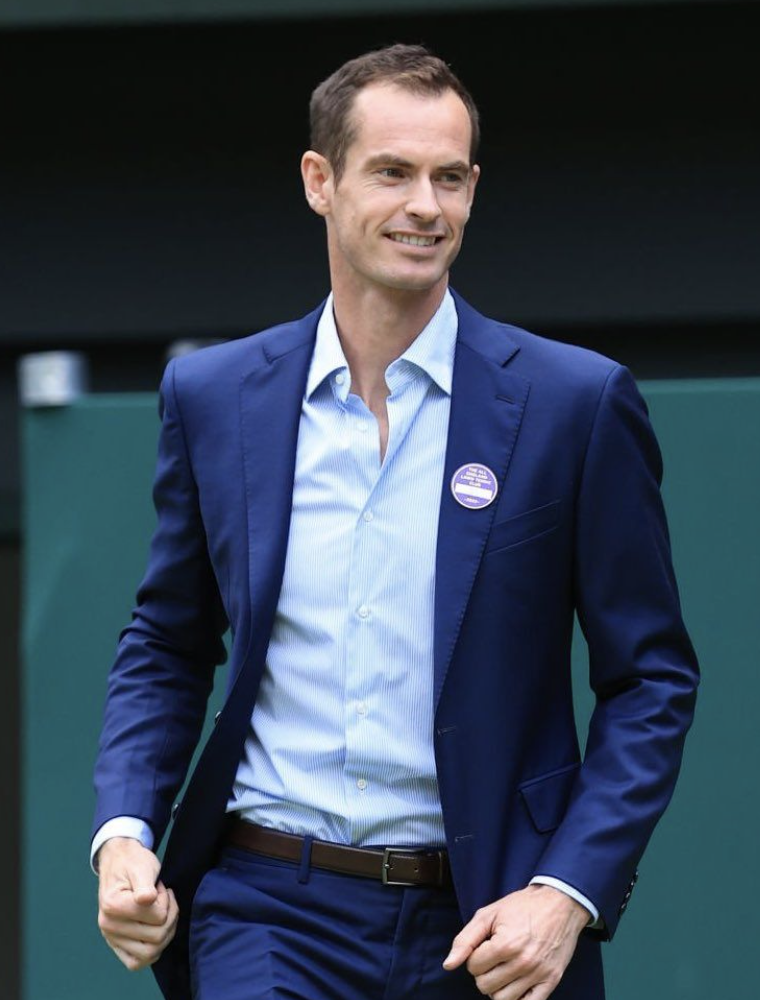
His business portfolio shows how elite players are shifting from prize money to equity.
Andy Murray built a multi-sector investment portfolio before he retired. That matters more than his prize money total.
Murray retired in 2024 as a three-time Grand Slam champion and former world No. 1. On court, he earned over $60 million in prize money.
Off court, he built something more durable: equity.
This is the shift happening at the top of tennis. The best players are no longer just earning — they are owning and growing their portfolios.
From Endorsements to Equity
Murray’s business strategy is simple. Invest early. Hold long-term. Stay close to the product.
His portfolio includes stakes in companies like Castore, Perkbox, Seedrs, and WeSwap. These are not one-off endorsement deals. They are equity positions.
The Castore investment is the clearest example. The British sportswear brand has scaled rapidly, signing elite athletes and major teams. Murray backed it early. That is where real upside sits.
This is a different model from the traditional tennis playbook, which relies heavily on sponsorship income. Sponsorship pays annually. Equity compounds.
Moving Into Venture Capital
Murray has gone further than most players by formalising his role in venture capital. He joined Redrice Ventures as an associate partner.
That changes his position in the market.
He is no longer just allocating capital. He is sourcing deals, advising founders, and shaping growth strategy. His recent investments — including Hylo and Manors — follow a clear thesis:
- Consumer brands
- Strong identity
- Scalable distribution
This is not random diversification. It is structured investing.
The Cromlix Trade-Off
Not every asset is optimised for returns.
Murray owns Cromlix Hotel, a luxury property near his hometown. The hotel has reported financial losses in recent years.
That is the trade-off.
Some assets are financial. Others are strategic or personal. Cromlix builds brand, legacy, and local presence. It is not purely about profit.
Betting on Emerging Sports
Murray is also positioning around growth markets. His investments in padel — including Game4Padel and the Hexagon Cup — are early-stage bets on participation growth.
Padel is expanding quickly across Europe and the Middle East. Tennis investors are paying attention.
Murray is already in.
A Different Kind of Player Finance
Most professional tennis players depend on prize money and sponsorships. Both are linear income streams. When the career ends, the income slows.
Murray has built something else.
- Equity stakes
- Venture exposure
- Multi-industry assets
This is a portfolio designed to outlast a playing career.
It also reflects a broader trend. Players are becoming operators, not just endorsers.
The Bottom Line
Murray treated his tennis career as a funding window, not the end goal.
The result is a diversified portfolio built on ownership — and a blueprint for how the next generation of players will approach money.
