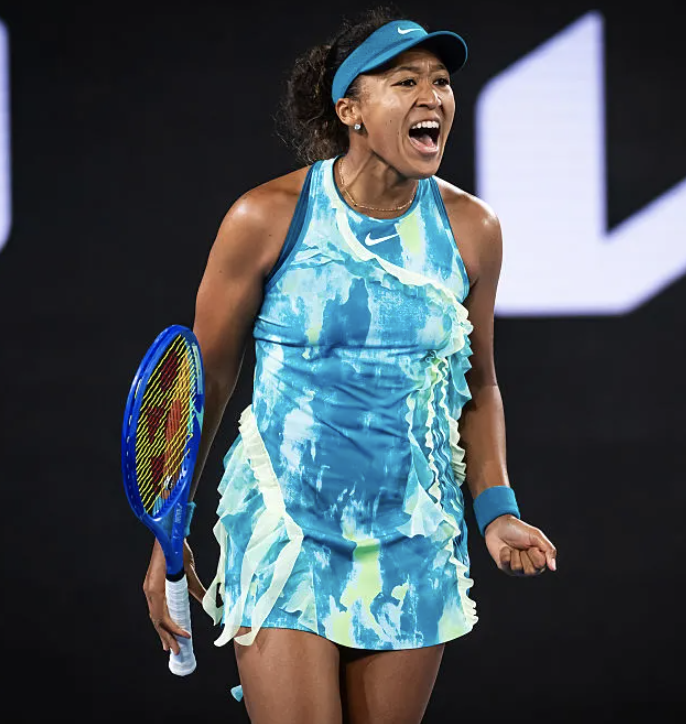
Her exit underscores the structural limits of athlete-owned agencies in tennis.
Naomi Osaka has left Evolve, the agency she co-founded, and will be represented again by IMG.
This is a reset — not just for Osaka, but for the athlete-led agency model.
Osaka launched Evolve in 2022 with her longtime agent Stuart Duguid. The premise was simple: give athletes more control over their commercial strategy by owning the agency itself.
At the time, it aligned with a broader shift. Elite खिलाड़ियों were moving beyond endorsements into ownership — of brands, media companies, and increasingly, their own representation.
Evolve was meant to sit at the center of that shift.
Less than three years later, Osaka is out.
The core issue is not performance. It is structure.
Running an agency is not the same as building a personal brand. It requires:
- Full-time operational focus
- Constant deal flow
- Deep sponsor relationships
Osaka is still an active player. She is also returning to competition after maternity leave — a phase that demands time, attention, and performance.
Something had to give.
Why IMG Still Wins
Osaka’s return to IMG is the clearest signal in this story.
IMG offers what Evolve could not replicate at scale:
- Global sponsorship network
- Dedicated sales teams across markets
- Long-standing relationships with brands and tournaments
This is infrastructure. And in tennis, infrastructure closes deals.
Athlete-owned agencies can control narrative. They struggle to control distribution.
The Limits of Athlete-Led Agencies
Evolve highlights three structural constraints:
1. Role conflict
Being both founder and client creates blurred incentives. Negotiating your own deals is not scalable.
2. Time constraint
Top athletes do not have the bandwidth to run an agency while competing.
3. Scale gap
Legacy agencies operate globally. New entrants start small — and stay small without capital and network depth.
These are not temporary issues. They are structural.
What This Means for the Market
This does not end athlete ownership. It refines it.
We will likely see players continue to invest in:
- Brands
- Media ventures
- Venture capital
But representation is different. It is a service business built on relationships and volume.
That favors incumbents.
Evolve will continue under Duguid, but without Osaka as both founder and flagship client, its positioning changes. It becomes another boutique agency — not a model shift.
Osaka’s exit shows that owning your agency is not the same as controlling your business.
In tennis, the biggest commercial outcomes still depend on scale — and right now, scale sits with firms like IMG, not player-founded startups.
